
The Stygian Owl
He's known in some parts of the world as a "Devil Owl," but really he's just quite curious

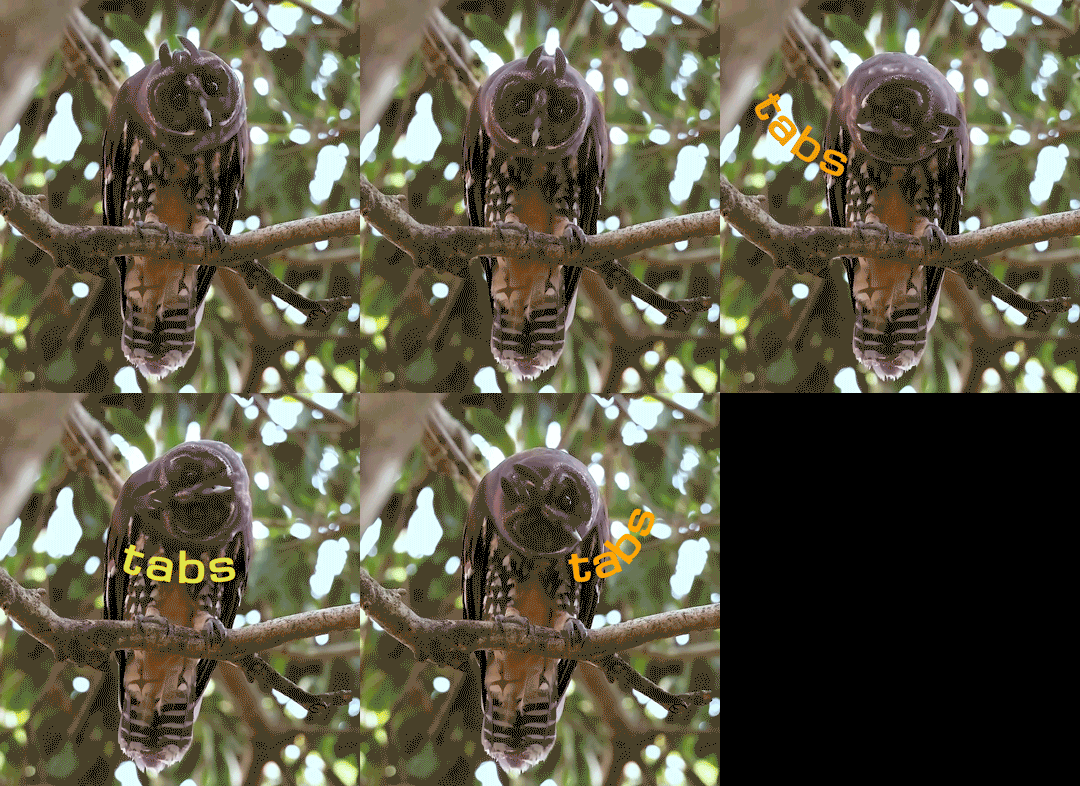
Photographer Rosana Cardoso caught glimpse of this inquisitive, round-faced Stygian owl one early morning in Brazil. He’s very keen on figuring out what she’s all about: maybe foe… maybe food.
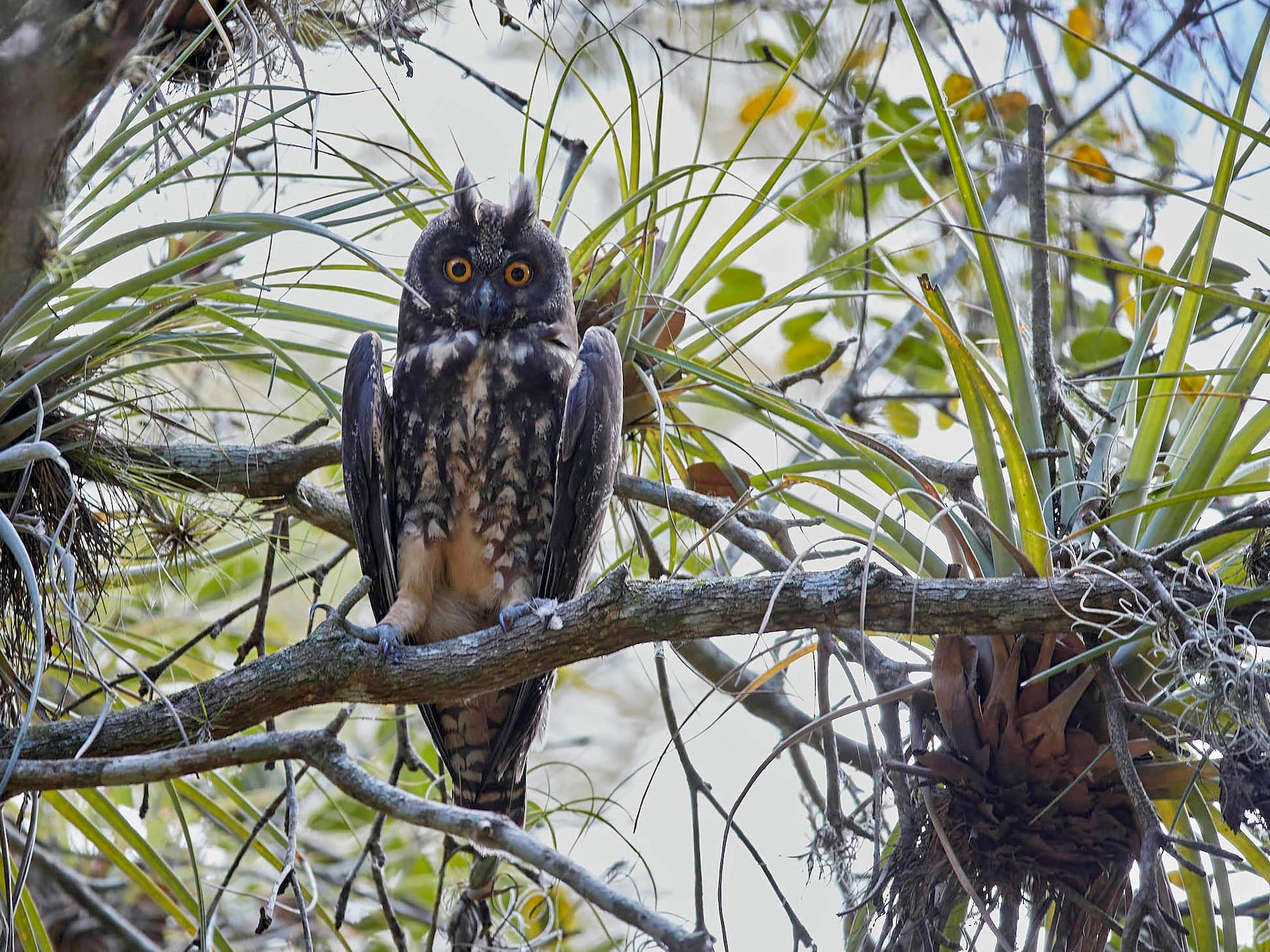
With their dark coloration, close-set ear tufts that look a bit like horns and their orange eyes that can sometimes appear red in flash photography or during daylight hours, Stygian owls are known in some areas as “Devil owls.” The name “Stygian” is derived from the mythological River Styx, where the dead cross over to the Underworld, drawing an association to the owl’s nocturnal activity and dark, mythic and slightly foreboding appearance. But in reality, these owls are far less interested in collecting human souls than they are in hunting prey, particularly the small to mid-sized birds that make up the majority of their diet.
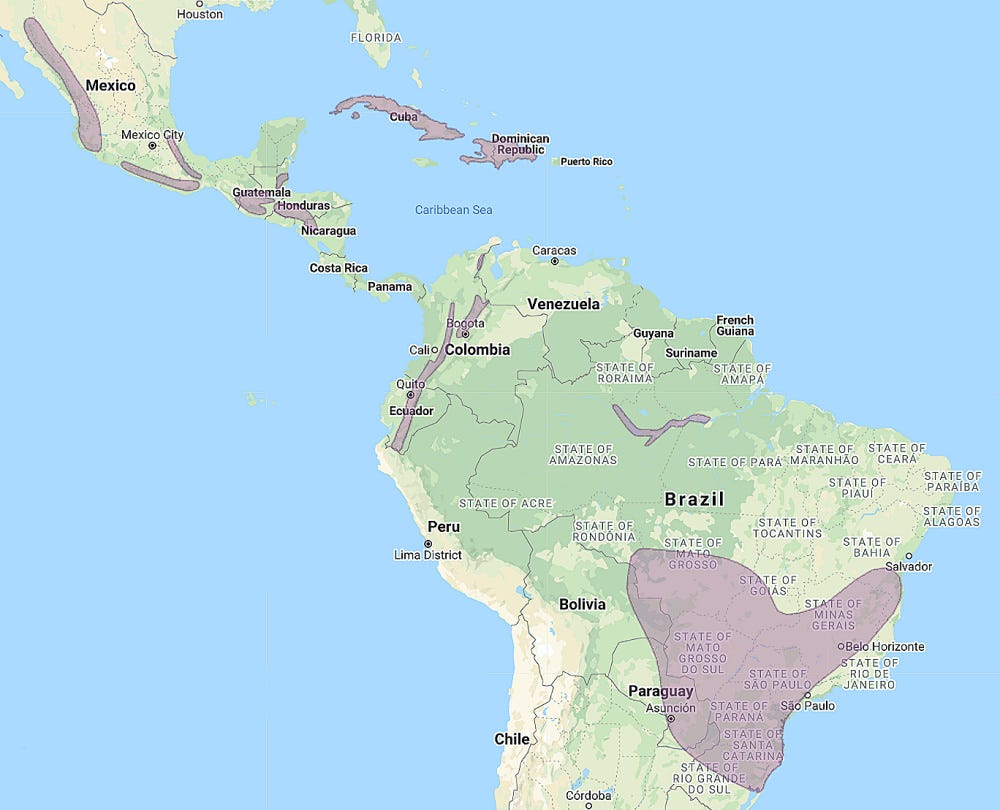
The Stygian owl can be found in forested areas of Central America, some Caribbean islands, northeast Central America to much of Brazil and Paraguay. It inhabits mountainous regions most commonly, but can also be found in humid and semi-arid forests, tropical rain forest areas and low, thorny bush country. It seeks the shelter of trees during daytime roosting but may travel to grassland habitats for hunting during the night. It will feed on small mammals, insects, amphibians and birds; using sharp hearing it will locate prey that has made involuntary sounds in the foliage during nesting or feeding. The owl will perch, observe, and wait to pounce for most of its prey, but bats—an unusual quarry for most species of owl—are hunted mid-flight. Also unlike most owls, rodents are not generally part of the Stygian owl diet.
There are six recognized subspecies of Stygian owl, accounting for slight variations in coloration and size evident within the different regions they inhabit. They are generally known to stay within their local area of habitation year-round, although a handful of vagrants have been seen in the southern United States (Florida and Texas). They are currently classified as “least concern” by the IUCN, but it is acknowledged that their population is shrinking. In some regions they are classified as “endangered” due to misunderstanding and persecution by residents who believe them associated with witchcraft or for the hunting of farmed poultry. Under Mexican law, the Stygian Owl is afforded special protection due to the limited information available about its natural history and population trends.
The source for today’s gif is below.
"We must take our Hemisphere back from these devil owls and reclaim our small varmints!
Today our anti-owl forces are landing in Cuba to begin that righteous task!"
DJT
I love owls