

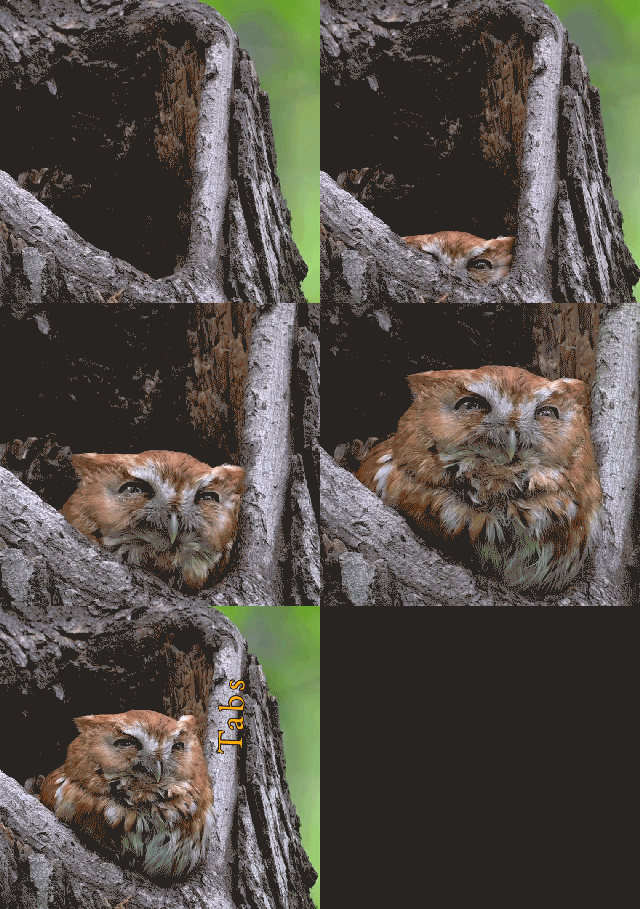
Photographer Eric Capers captured this video of an eastern screech-owl emerging from a tree hollow and looking at little sleepy. Aw, wake up little guy, it’s time to Tab! We get a little knowing wink at the end, probably because he reads Wonkette and therefore learns lots of stuff.
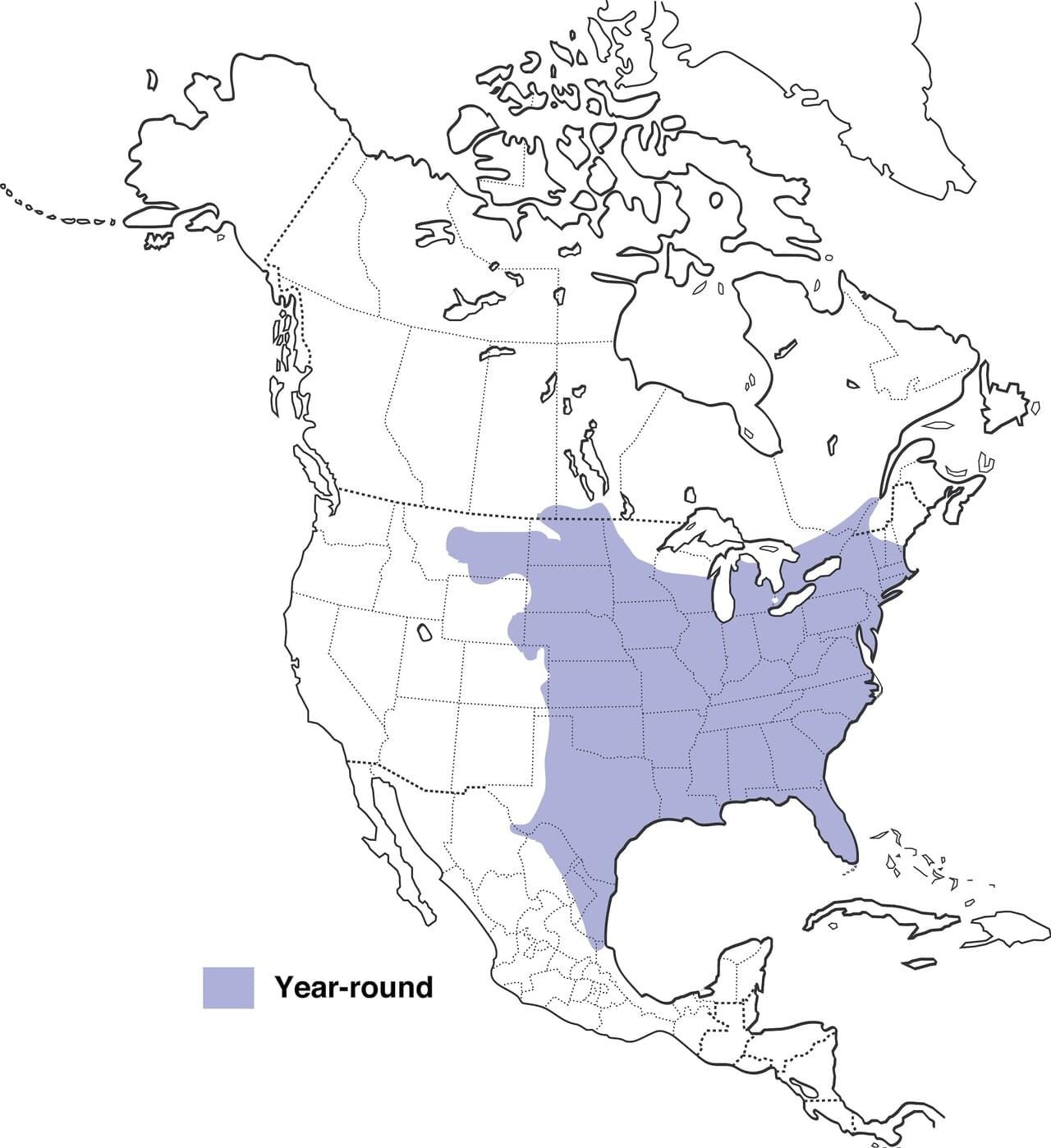
Eastern screech-owls are found throughout the eastern half of the United States and are adapted to a variety of habitats, from urban to undeveloped areas, provided that there are trees in the region. Like the owl in today’s gif, about 1/3 of all eastern screech-owls are red, with rufous owls more common in the east; in the western edge of their range, these owls tend to have gray feathers, with some exhibiting a brownish coloration.
Eastern screech-owls are about the size of a pint glass. More frequently heard than seen, these small owls maintain their secrecy under cover of darkness, emerging at dusk to hunt after spending the daylight hours hiding in the burrows that they have colonized or roosting on thick tree branches covered by dense foliage. It is at night when you might hear them calling out to their mates or issuing a territorial warning to interlopers. Contrary to their name, these owls do not screech so much as trill in a type of whinny (described as similar to that of a little horse) or call out in a tremolo.
Although they nest in holes and cavities, screech-owls never dig the shelter themselves, instead depending on tree holes opened or enlarged by woodpeckers, squirrels or rot. They might also adapt nesting spots in wood piles, mailboxes, loose boards on buildings or cavities in other similar man-made structures. Their acceptance of ready-made shelters make them a good candidate for nesting boxes, and the Audubon Society has instructions on how to make your own if you are so inclined to attract a screech-owl to your own yard next spring. And why not? After all they are efficient consumers of rodents, reptiles and insects that you might want eliminated from your own backyard. Although if you are devoted bird-watcher, be warned that screech-owls also enjoy tasty, tasty sparrows, starlings and other birds when they find them out during their nocturnal hunting period. Interestingly, eastern screech-owls seem to fare better and lay more eggs in urban and suburban environments because this bird’s predators and competitors find the spots more heavily populated by humans less attractive than they do.
Check out the source video and click through to see some of Capers’ other photos of majestic (or sleepy) owls, raptors and other birds. His captures are quite good! One of his magnificent shots featuring a red hawk snagging a rodent was the subject of NJpots, an online community and tourism resource featuring New Jersey attractions.
Cornell Lab: Eastern Screech-Owl
Wikipedia: Eastern screech-owl
Audubon: How to Build a Screech-Owl Nest Box
#NJspots: Local Photographer Captures A Red Hawk On The Hunt by NJspots Editor, 1/24/23
What beautiful sounds they make!!! Absolutely marvelous!
All mammals look alike when they first wake up it seems. I recognize that look.