

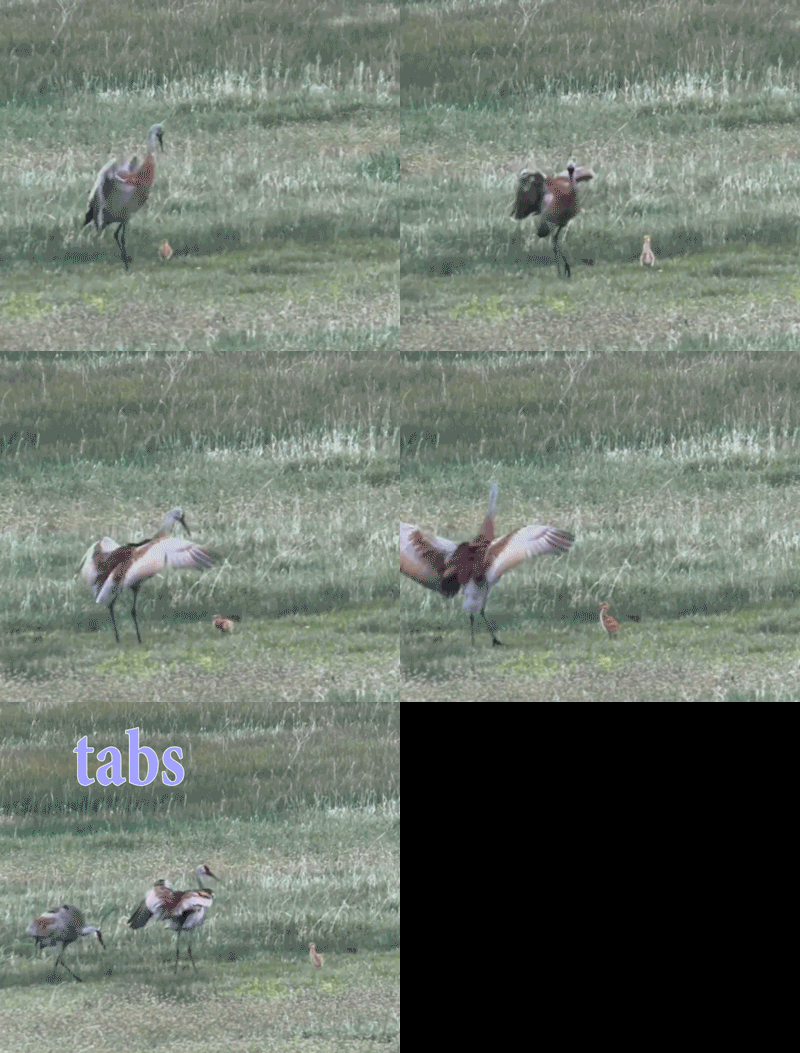
Flying takes practice, and this pair of sandhill cranes is showing their colt (the name of a baby sandhill) how to do it. I think Junior is going to need a bit more work and some more developed wings before he gets the hang of it.
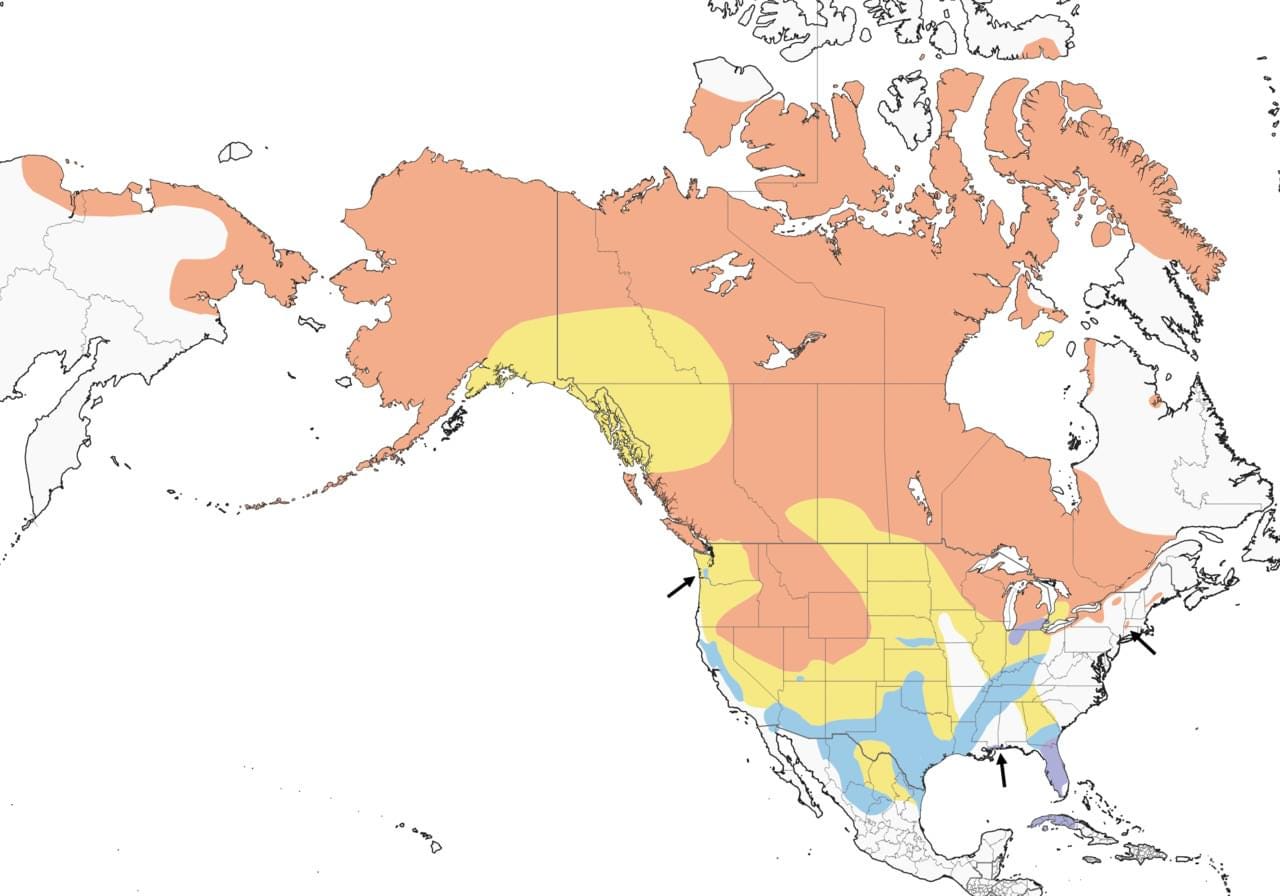
Sandhill cranes are a large species of crane found in North America and the extreme northeast of Sibera. There are six1 recognized subspecies: three subspecies live year-round in Florida, Mississippi, and Cuba; three others migrate from northern North America to the southern United States and northern Mexico.
Females grow to about 37 inches tall on average, with a wingspan of 5 feet, 3 inches, and weighing 7.6 pounds. Males average about 11 pounds, growing to 47 inches tall with a 6 foot 11 inch wingspan. They are fairly long-lived birds, reaching between 20 to 30 years old in the wild. But they can get older: the oldest Sandhill Crane on record was at least 37 years, 3 months old, banded in Florida in 1982 and found in Wisconsin in 2019.
Sandhill cranes are social, living in pairs or family groups throughout the year. In the winter, they will gather in large “survival groups” to forage and roost together, sometimes congregating for migration at wintering sites up to thousands of individuals. They are primarily herbivorous, foraging in shallow wetlands for vegetation or in upland habitats depending on season and region, sometimes eating berries, insects and small mammals, reptiles or amphibians. Seasonally, they are big consumers of seeds and cultivated grain, and can be found in fields eating waste corn in preparation for migrating.
Pairs mate for life and stick together year-round. Nests are built on the ground in marshy areas. They will raise one brood per year. The female will lay one to three eggs, but usually only one survives to fledging. Chicks are also known as colts. They get the horse-inspired moniker because they are born with long, strong legs and can walk and run within just 24 hours of hatching. Offpsring will stay close to their parents for nine or ten months after hatching. Presumably, they’ll benefit from plenty of flying tips during that time.
The source for today’s video is here, with credit to cariddiphoto.
Cornell Labs, All About Birds: Sandhill Crane
Outside My Window: "Why Are Baby Sandhill Cranes Called Colts?" by Kate St. John, 5/8/26
Some authorities no longer recognize the Canadian sandhill crane as distinct from the greater sandhill crane, so if you ask those guys, they’ll tell you that there are five subspecies of sandhill crane.
Sandhill crane parents... I recall both being taught to ride a bicycle and teaching the skill... I empathize with 'em...
They are majestic birds
Albuquerque lies along one of the migratory paths of the Sandhills. It was one of the great joys of my time there to see the cranes coming through.
They fly in formation, high up, on their approaches and departures. They talk among themselves as they fly. You can be out in your yard on a morning in March or October and you will hear them, a distant chorus of calls and responses at the edge of what you can hear. You'll look up, and at the very end of what you can see, high in the sky, you'll see them passing over, flying in their long V-shaped formations, sometimes circling as they scope out what spot in the woods and fields down by the river they are going to land in. They look like a fluttering spray of salt and pepper against the clear blue skies of La Tierra Encantada.